Master Builders, Remodelers & Guaranteed Foundation Repairs
Call (817) 469-1090
Get An Evaluation

Get Started

Slab Foundation Repair

Slab Foundation Repairs

The Dallas–Fort Worth region is known for expansive clay soils that swell when wet and contract when dry. This ongoing soil movement is one of the primary causes of foundation issues in North Texas.

We assess soil conditions and structural needs carefully, delivering repair solutions tailored to protect your home long term. Concrete and steel piers are the most commonly used supports in our area.
Get A Quote Today

Knowing the Difference Between Concrete and Steel Pressed Piers

Concrete Pressed Piers

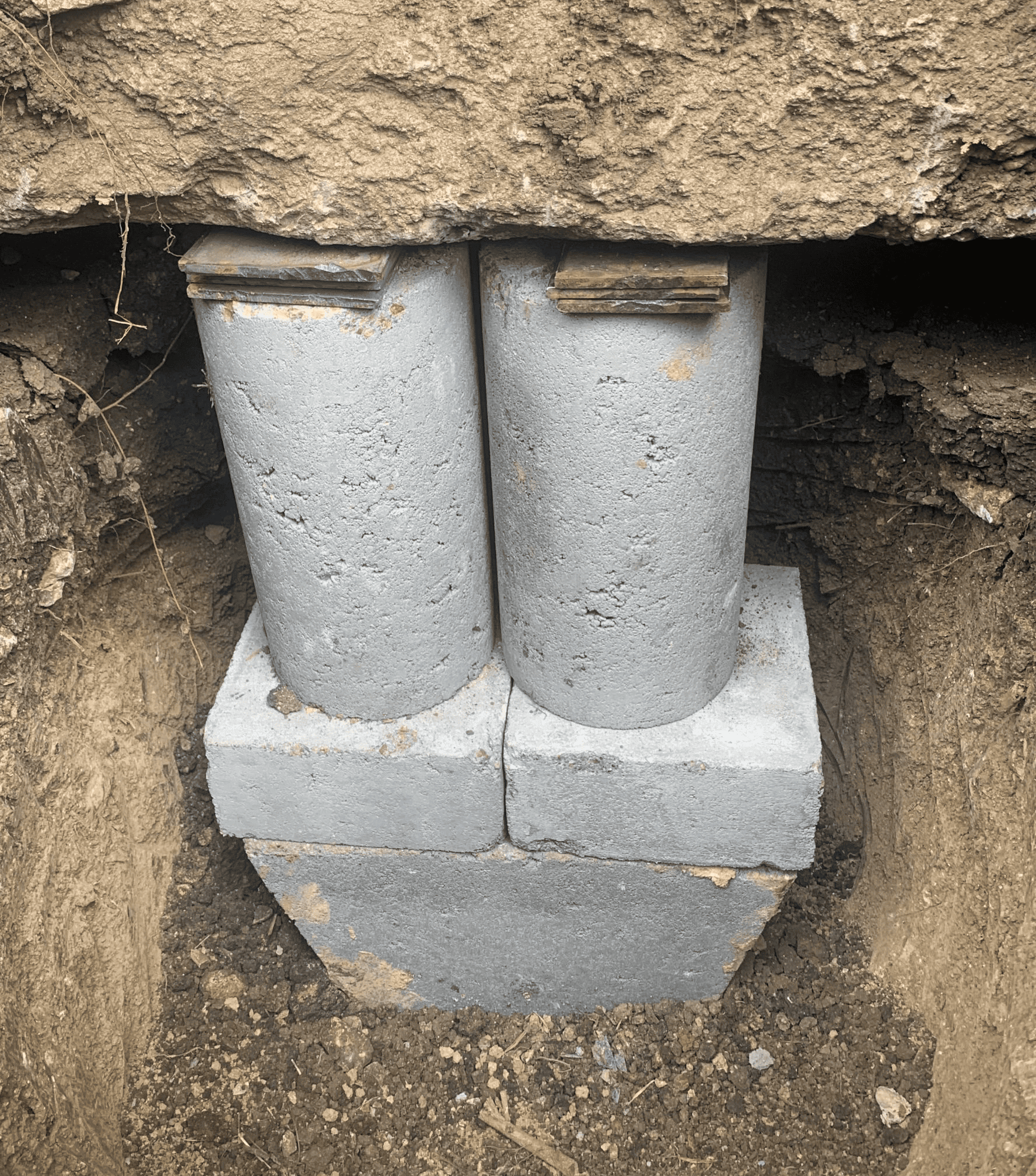
Concrete Pressed Piers are engineered to stabilize foundations by extending support deeper into the ground where soil conditions are more consistent. By reinforcing the structure from below, they help correct movement and maintain long-term performance.

A time-tested solution used to provide added support beneath slab foundations. Designed to transfer the weight of the structure to more stable soil layers below, they help restore proper alignment and improve long-term stability.

These piers are commonly used in North Texas due to their reliability and adaptability. When properly installed and integrated into a repair plan, they offer dependable support for homes experiencing foundation movement.

Steel Pressed Piers

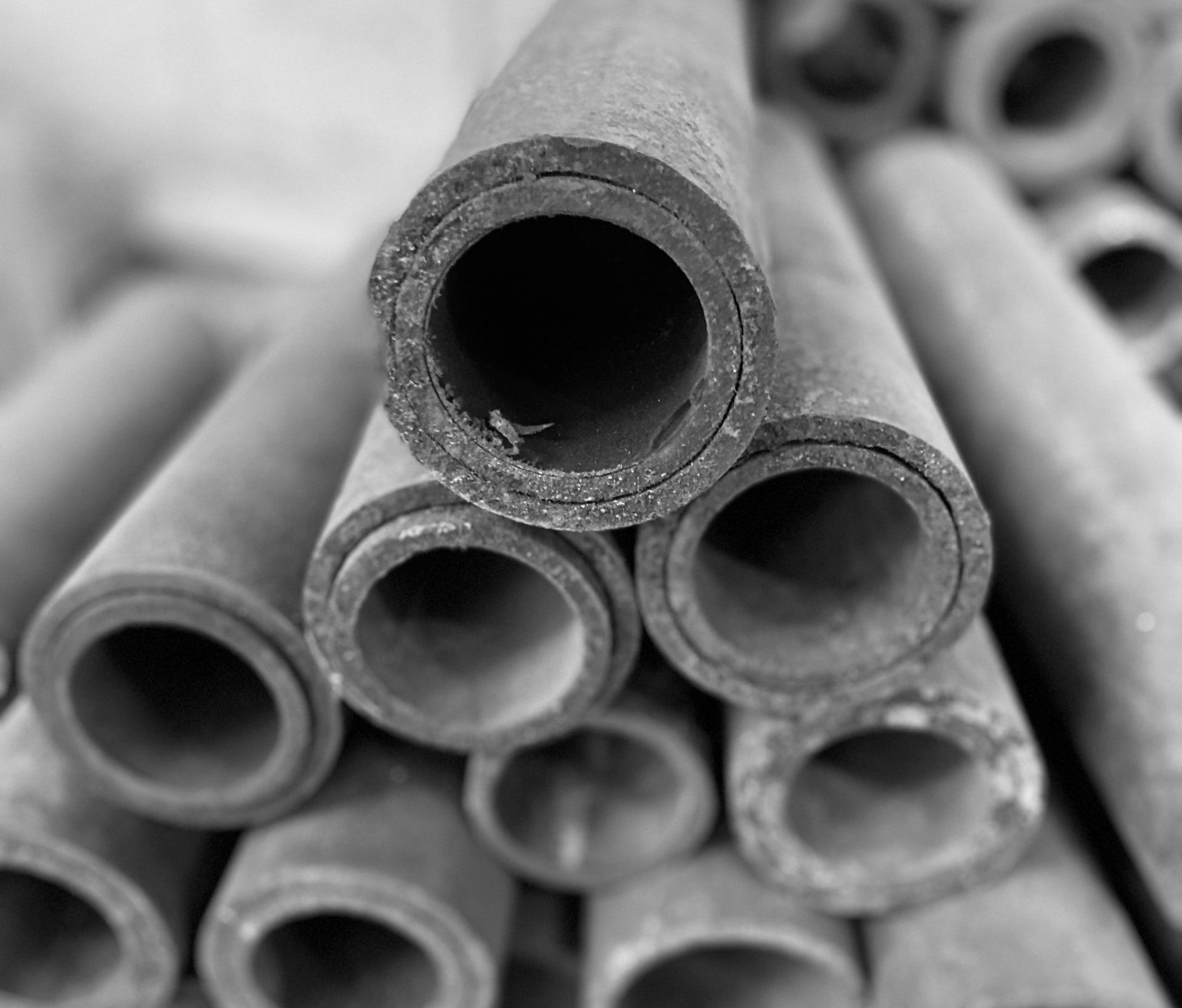
Steel Pressed Piers offer deep penetration and superior load-bearing strength, making them ideal for homes in sandy soil areas or high-load structures.

Steel piers are often used when a structure requires deeper support or when soil conditions demand a more robust stabilization method. Designed to extend farther below the surface, they help transfer the weight of the home to more consistent, stable ground.

In some cases, a combination of support methods may be recommended to account for variations in soil across the property. This tailored approach ensures balanced, long-term stability throughout the foundation.

How Pressed Piers Are Installed

  1. Step 1: A 2′ x 2′ hole is excavated at each pier location, extending approximately 2 feet below the grade beam.
  2. Step 2: A hydraulic ram is placed between the foundation and the pier (can be a concrete or steel pier). Using the home’s weight, the ram pushes pier after pier all the way down until the point of refusal is reached.
  3. Step 3: A concrete cap block is placed, and the foundation is lifted using 20-ton hydraulic jacks.
  4. Step 4: Support cylinders are set on the cap block and shimmed with steel shims.
  5. Step 5: Excavated holes are backfilled and compacted, completing the installation.

Preparing For Foundation Repairs

Before repairs are underway, familiarize yourself with the following:

Soil Moisture

Proper soil moisture is essential before installation. We recommend watering the soil around the foundation the day before repairs to achieve maximum pier depth. Scheduling also accounts for natural rainfall and environmental conditions. If you have breakouts in the interior of your home, you will also have to water them if they begin to dry out. Keeping the soil saturated is the objective.

Clear the Work Area

Remove anything that is hanging on the walls, on shelves, or items of value near the work area where the pier installation is being performed. Any furniture or objects impeding quick access to interior breakouts must be moved as well. If these items either large or small cannot be moved to another area of your house or within your garage or shed, you may need to rent a portable storage unit to keep these items protected throughout the installation process. If you have any questions as to whether or not to remove something, always remove it to be safe.

Landscaping

We will be glad to remove plants if they are in the way or cut them back, but we do not expect them to live because of the strain that is put on them in the process of installing piers. At your discretion, you can hire a landscaper to remove plants near the installation area, and replace them after we have left. This will help raise the chance of their survival.

Flooring & Cosmetic Repairs

We do NOT remove or relay carpet. If you want your carpet to be professionally removed, cut, or relayed, you are responsible for hiring a carpet company to perform that work. You will need to wait three days after the foundation work has been performed to allow the concrete to cure before having your flooring replaced or relayed. If you are planning any cosmetic repairs, please consider waiting 10-14 days for the foundation to settle before beginning any masonry, sheet rock, roofing repairs, or painting.

Lifetime Transferable Warranty

All piers installed by Master Builders, Remodelers & Guaranteed Foundation Repairs come with a Lifetime Transferable Warranty. This warranty covers the installed piers and any future adjustments necessary to maintain your foundation’s stability. Click here to learn more!

If previous foundation repairs were performed by another company, we can evaluate and often assume the warranty when possible!