Master Builders, Remodelers & Guaranteed Foundation Repairs
Call (817) 469-1090
Get An Evaluation

Get Started

Foundation Maintenance

Foundation Maintenance

Seasonal soil movement is one of the biggest factors affecting home foundations across Dallas–Fort Worth and North Texas. The region’s clay-heavy soil expands when wet and contracts when dry, putting stress on your foundation and potentially causing cracks or uneven settling.

At Master Builders, Remodelers & Guaranteed Foundation Repairs, we’ve seen firsthand how improper foundation maintenance can lead to costly structural damage. This guide is designed to help homeowners, realtors, and property managers understand how to keep foundations healthy through consistent watering, drainage control, and preventive inspections.
Learn More!

Foundation Watering Basics

The primary goal of foundation watering is to keep the soil’s moisture level consistent year-round. Uneven moisture — whether too dry or too wet — causes the clay beneath your foundation to expand or contract unevenly, leading to cracks and shifting. In order to minimize any possible foundation movement, keeping to a regular watering schedule will ensure that your foundation maintains its natural seasonal movement.

In the DFW area’s dry, hot months, this becomes even more critical. Having trees and large shrubs near your home can affect how often one would need to water in order to prevent them from pulling essential moisture from the soil beneath your foundation.

What’s the Best Way to Water a Foundation?

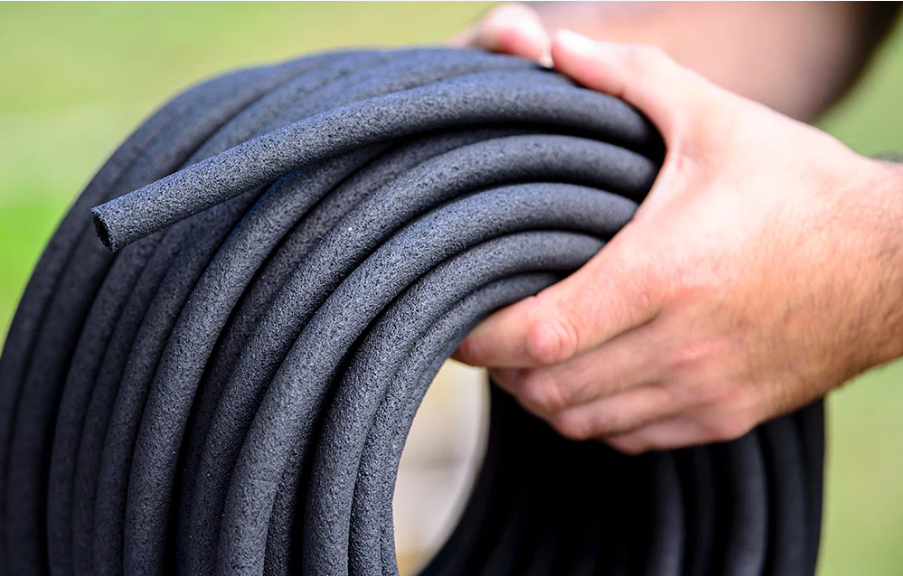
Soaker hoses are far more effective than sprinklers because they release water slowly and evenly, allowing deeper soil absorption without runoff.

Best practices for using soaker hoses:

  • Placement: Bury the hose about 3 inches deep and position it 12–18 inches from the foundation edge. Burying the hose is ideal for aesthetic purposes, but not essential. The hose can remain on the surface 12-18 inches from the foundation and still help maintain consistent moisture levels.
  • Sloped Lots: If your home sits on a slope, place the hose closer to the foundation to counteract water runoff.
  • Length: Avoid extending a soaker hose more than 25 feet from the faucet connection.
  • Monitoring: If the soil begins to pull away from your foundation, increase watering. DON’T fill the gap with water because this collection of water will exacerbate the issue. Please water away from the gap to give the surrounding soil the chance to expand evenly.
  • Winter Care: Don’t stop watering in winter — North Texas often experiences extended dry spells and mild droughts even in colder months.
  • Moderate Rainy Days: Suffice it to say, you don’t need to water when it rains. Now for extended periods of rain, you’ll need to watch when the rain clears to tend to the soil from being over saturated. 

Pro Tip: The surface may appear damp even when deeper soil remains dry. Check moisture 1–2 feet below ground for accuracy.

Landscaping and Tree Placement

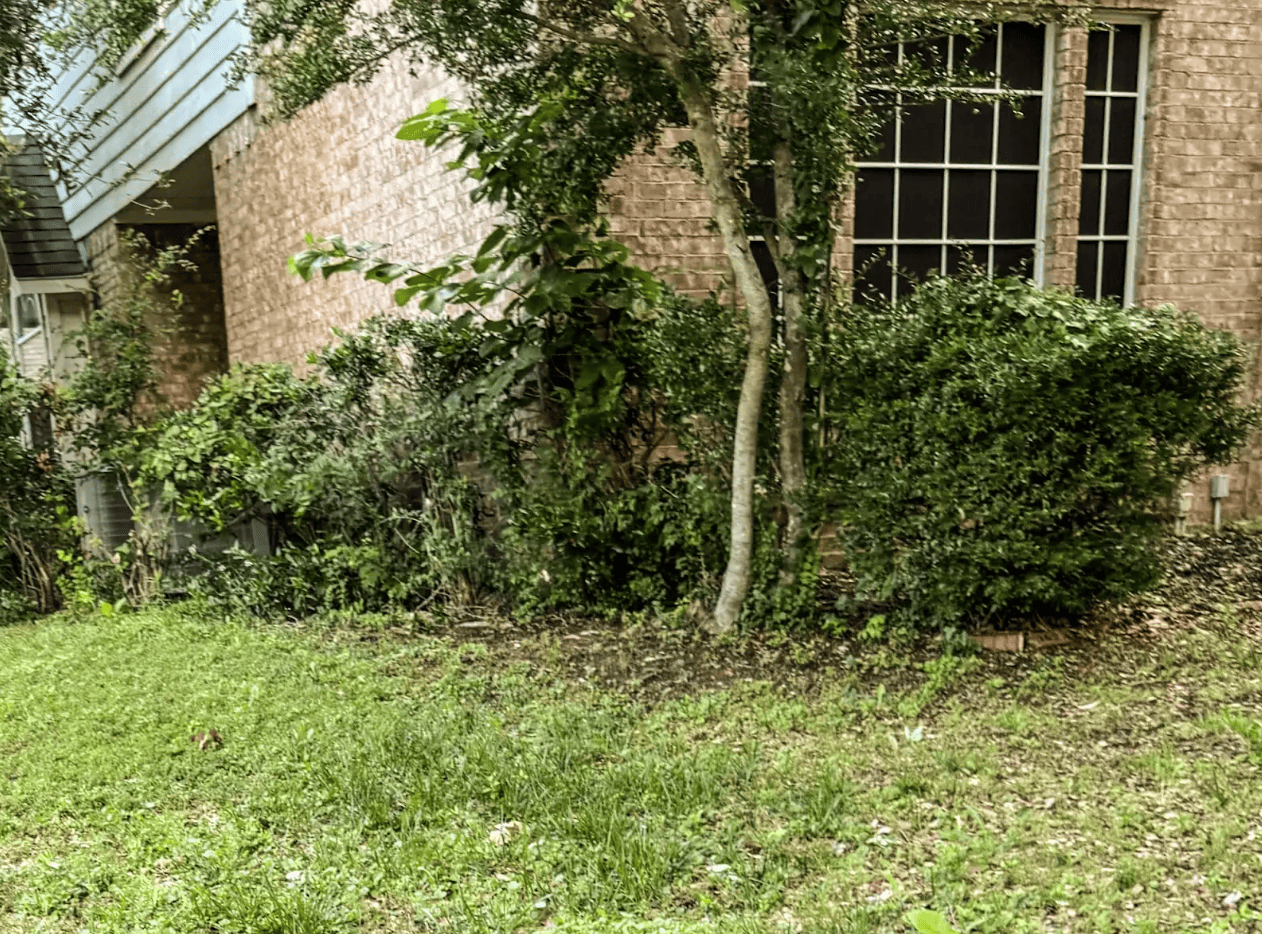
Trees and large bushes near your home can disrupt soil moisture balance. Their roots absorb water from the soil beneath your foundation, creating uneven moisture levels that cause movement.

Tree Placement: For every 1 inch of tree trunk diameter, plant it 1 foot away from your home.
Example: A tree with a 10-inch diameter should be planted 10 feet from the house.

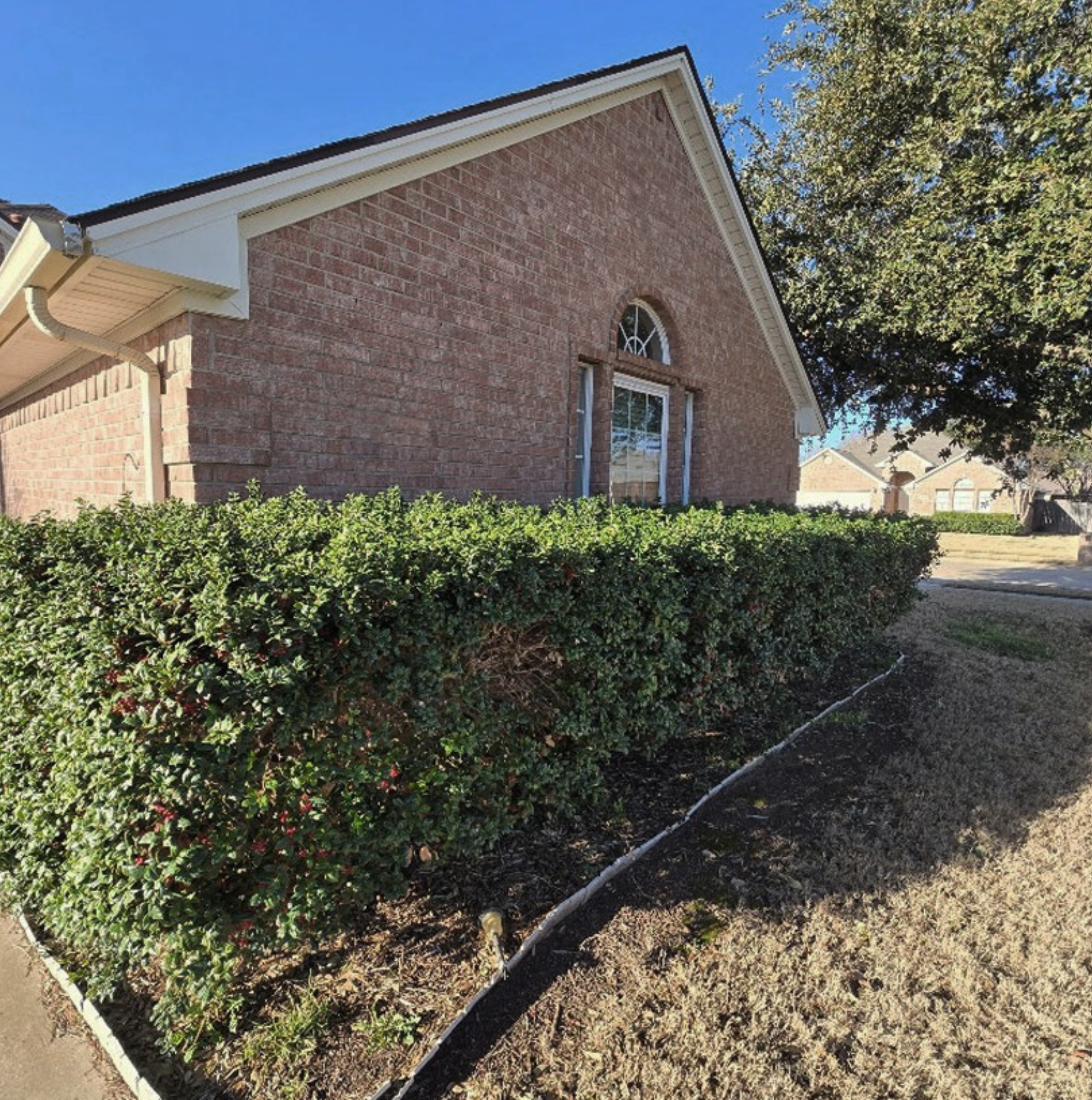
Large Bushes: Even though their roots are smaller, they can still damage plumbing and foundations if planted directly beside the structure. Keep large shrubs at least 3–5 feet away from your home.

If you have overgrown landscaping close to your foundation, consider trimming or removal to protect against root intrusion and uneven soil moisture.

How Often Should You Water Your Foundation?

There’s no universal schedule — DFW weather can vary drastically week to week. Instead, monitor your soil conditions regularly:

  • Dry, cracked, or pulling away soil: Increase watering frequency
  • Overcast, humid, or rainy weather: Reduce watering

Remember: the appearance of your grass isn’t a reliable indicator. Soil moisture 1–2 feet deep is what matters most for foundation stability.

Need help setting up a watering plan?
Contact Master Builders, Remodelers & Guaranteed Foundation Repairs for a no-cost foundation evaluation and get personalized recommendations.

Request A Quote

Watering During Local Restrictions

Even when North Texas cities impose water restrictions during drought conditions, homeowners are still allowed to water their foundations.

Most cities in the DFW area permit soaker hose watering for up to one hour each night during Stage 1 and Stage 2 drought restrictions.

Always check your specific city or county’s latest watering guidelines — but rest assured, protecting your foundation is never prohibited.

The Importance of Drainage and Gutters

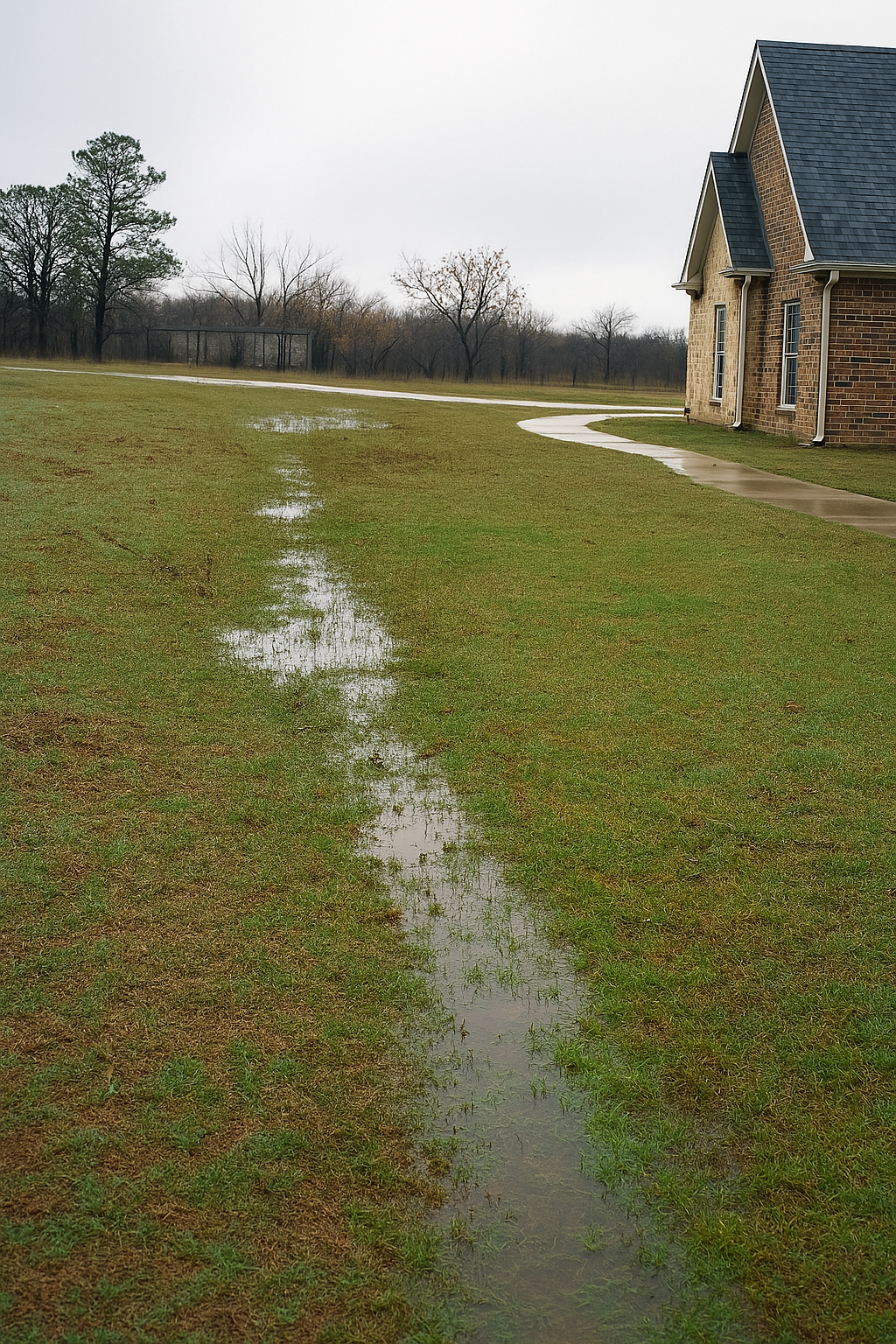
Too much water can be just as damaging as too little. Poor drainage around your home can cause soil to expand unevenly and push your foundation upward (a process called heaving).

Key drainage tips:

  • Ensure water does not pool within 6–10 feet of your foundation
  • Extend gutter downspouts with splash blocks or drainpipes
  • Grade your soil to slope away from your home

Consistent, even drainage ensures your foundation settles and rises naturally throughout the seasons without shifting out of alignment. Down below we have further information on drainage, and if you need assistance in determining whether or not your foundation is being impacted by poor drainage, schedule a drainage evaluation with us.

Plumbing Leaks: The Hidden Foundation Threat

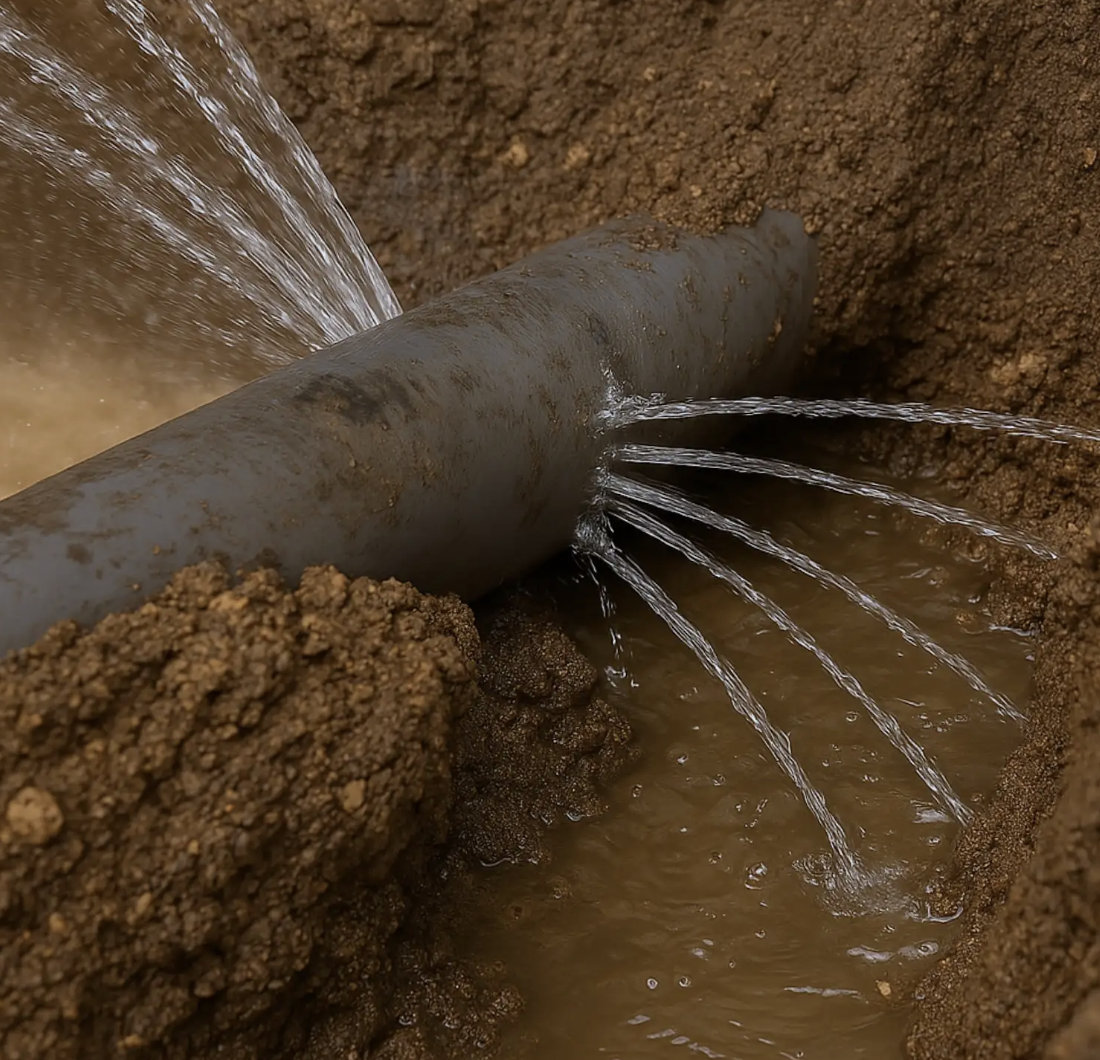
Undetected plumbing leaks beneath your slab can lead to severe foundation damage before you notice any surface symptoms.

Even slow leaks that don’t register on your water bill can gradually erode soil and cause foundation sinking.

We recommend:

  • Scheduling annual plumbing inspections, especially if you have an older home or cast-iron plumbing
  • Watching for hidden signs of leakage: New cracks, damp spots, or uneven flooring

Schedule a Plumbing Test

Crawlspace Ventilation for Pier & Beam Homes – Maintaining Proper Humidity

If your home has a pier and beam foundation, maintenance for the foundation looks completely different. The maintenance for a slab foundation requires it to be watered unlike a pier and beam foundation where it requires consistent airflow beneath the structure to prevent wood rot and shifting.

Without proper ventilation, humidity builds up in the crawlspace, leading to soil expansion and structural damage.

Ventilation Tips:

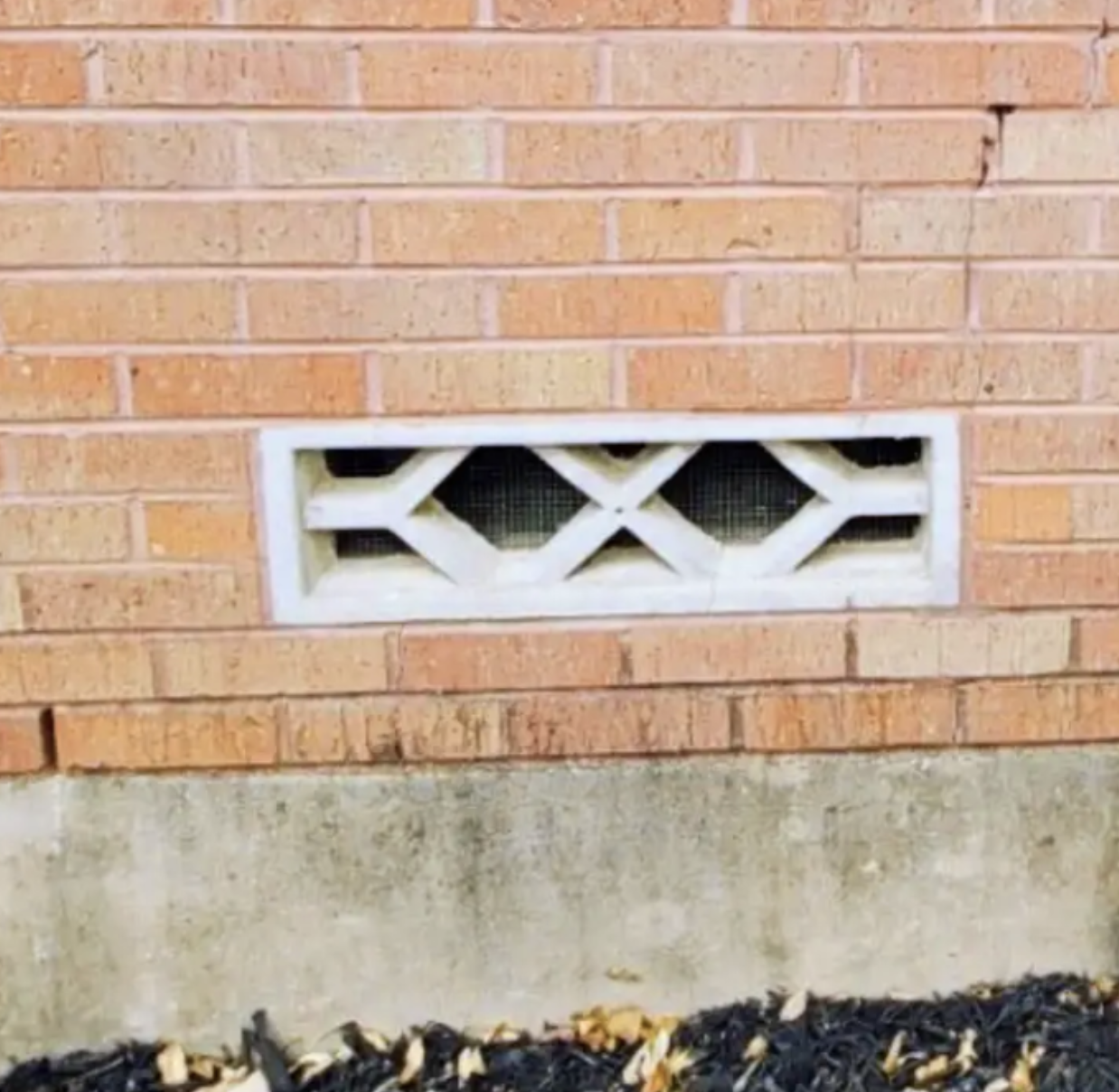
  • Ensure crawlspace vents are open and unblocked
  • Install new or additional crawlspace vents, if ventilation is limited or inefficient
  • Install humidistat fans to regulate moisture and temperature levels
  • Inspect your crawlspace seasonally for excess humidity or mold growth

The right ventilation ensures that your pier and beam foundation remains balanced year-round, even through North Texas humidity swings.

Schedule Your No-Charge Foundation Evaluation

Whether you’re a homeowner preparing for seasonal changes or a realtor/property manager overseeing multiple properties, proactive foundation maintenance protects your investment and prevents costly repairs.

At Master Builders, Remodelers & Guaranteed Foundation Repairs, we specialize in foundation repair, maintenance, and homeowner education across the Dallas–Fort Worth Metroplex. Our goal is to keep your home aligned, secure, and ready for every Texas season.

Call us today or request your no-charge evaluation to get started.

Request A Quote