
Learn More
Frequently Asked Questions
Here you’ll find reviews of our work so you can be sure that our specialists are the best in their field.
Here you’ll find reviews of our work so you can be sure that our specialists are the best in their field.
Cracks in the property’s bricks that follow a stair-step pattern are usually a sure sign that you need work done to your foundation.
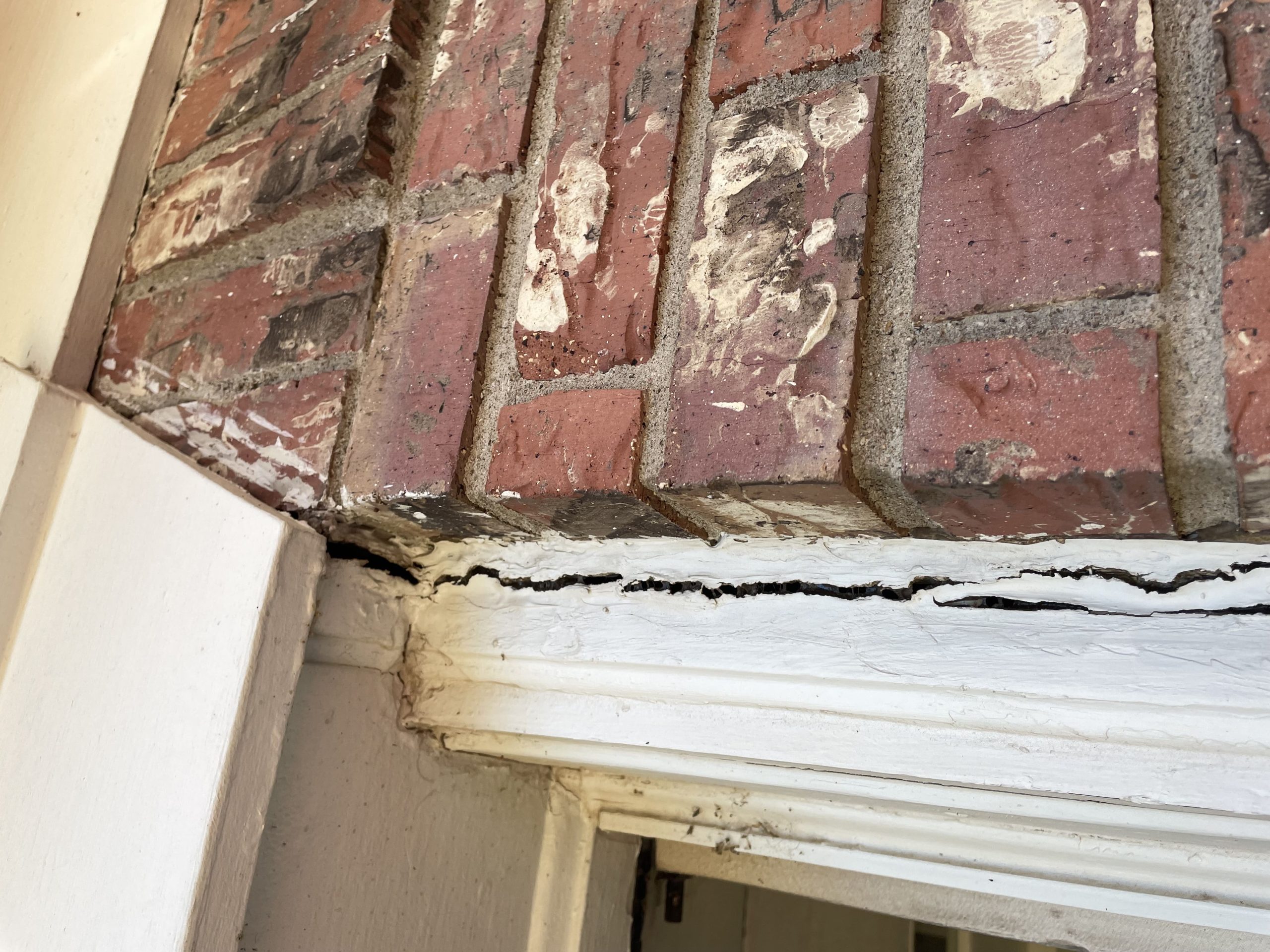
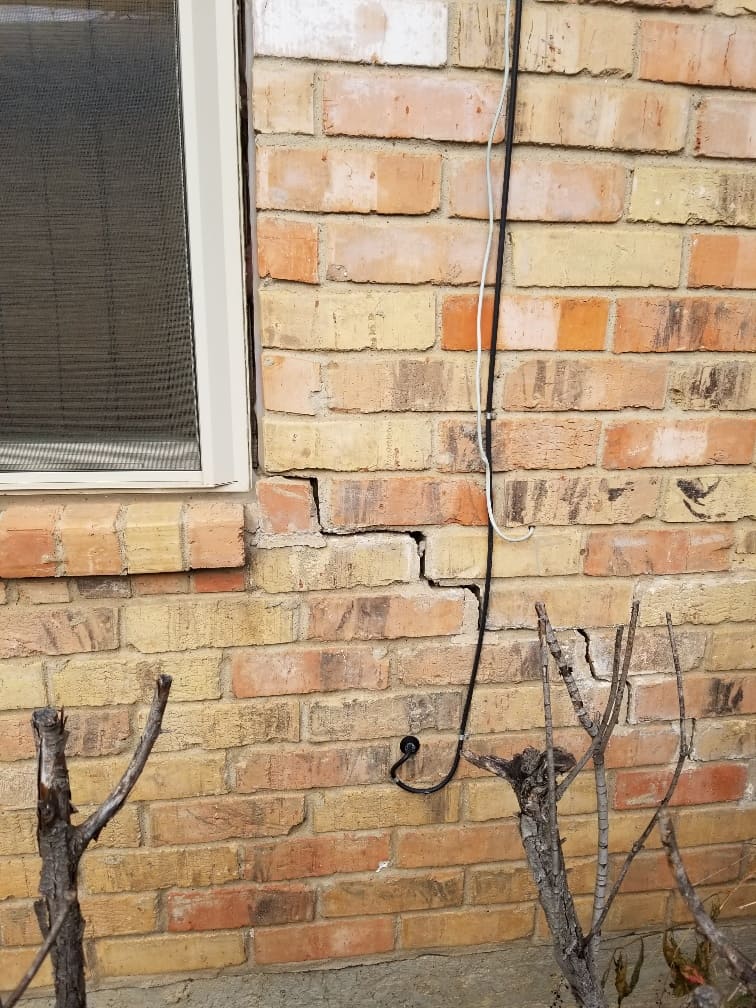
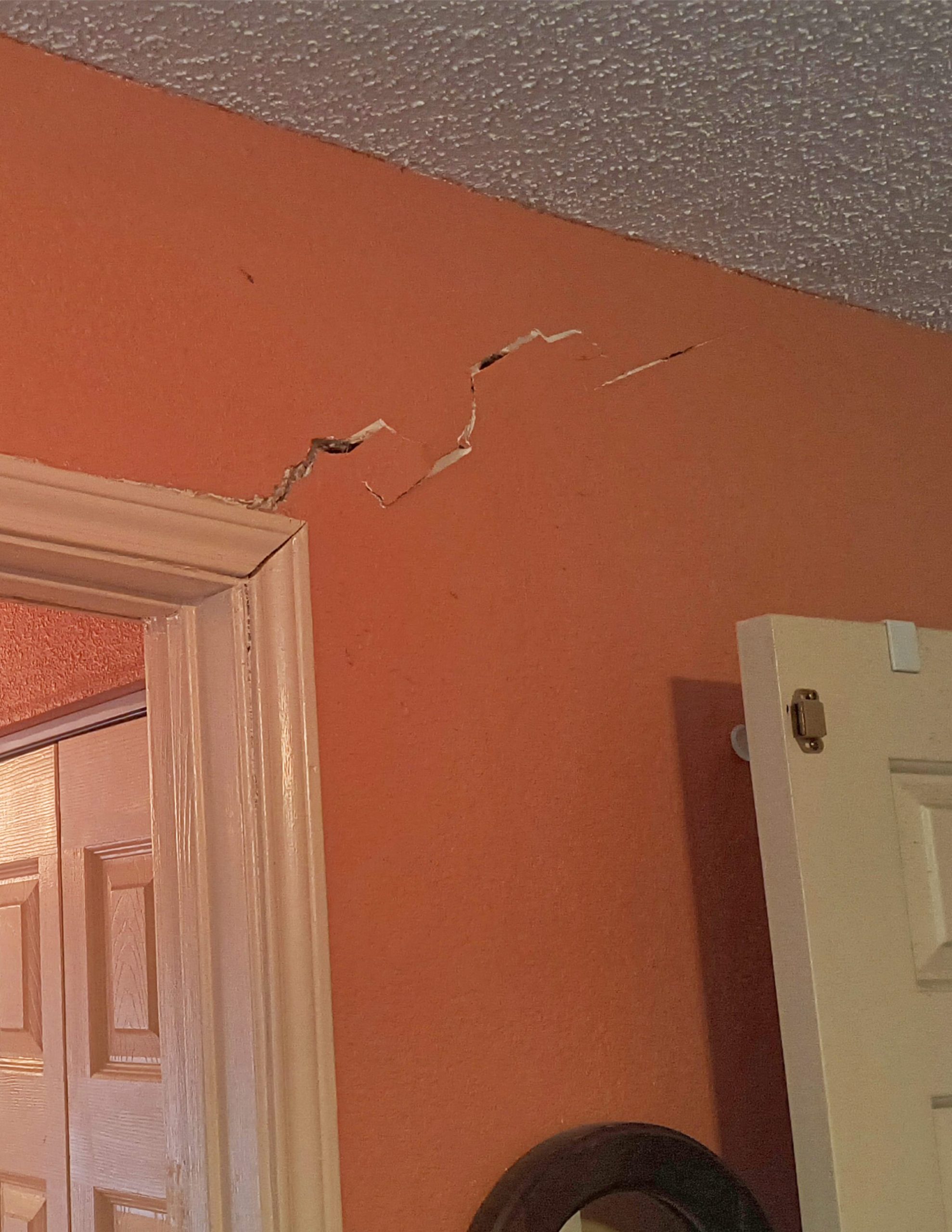
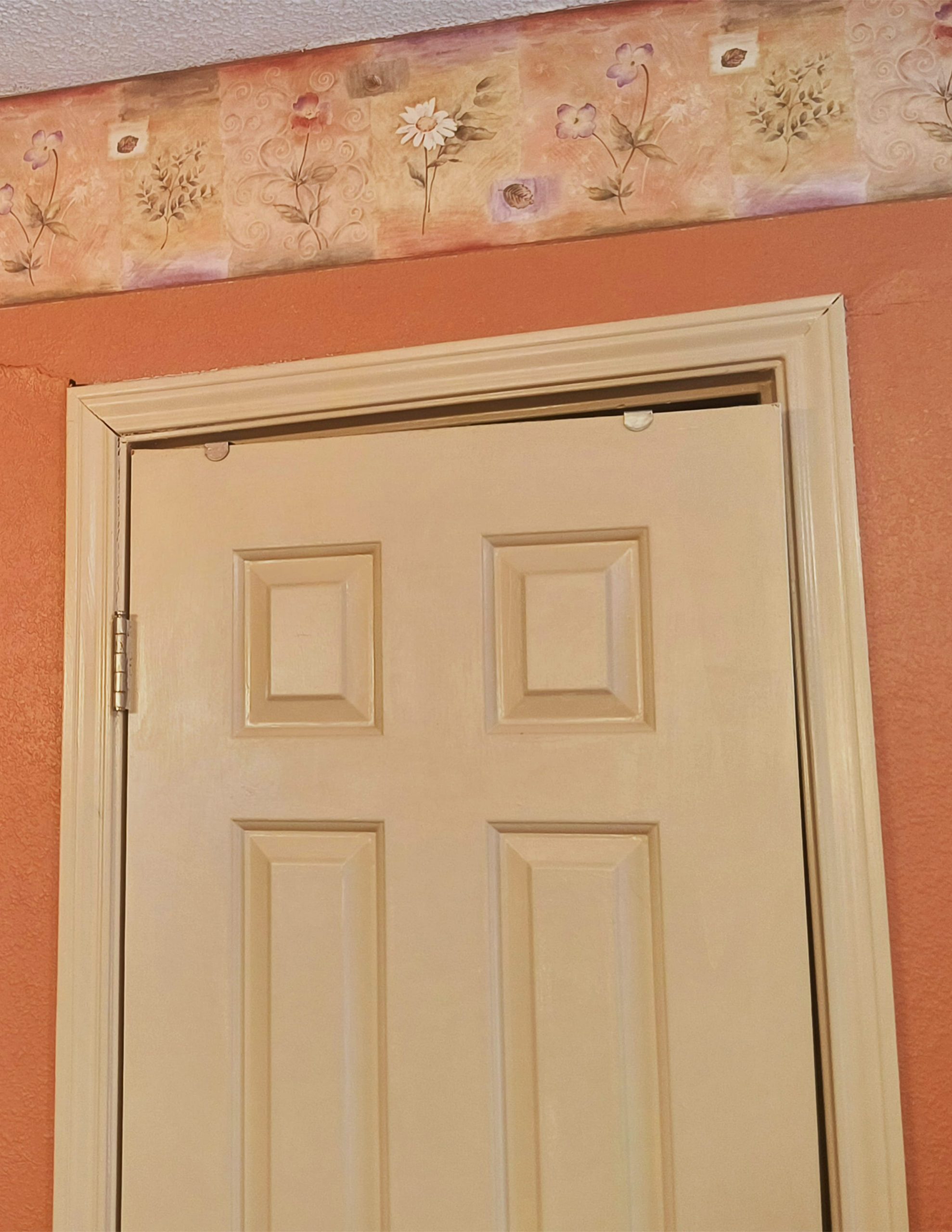
Cracks near doors are often caused by foundation problems, like all cracks they will get worse if the cause is not corrected.
Cracks near windows and window separation mean your foundation may have problems.
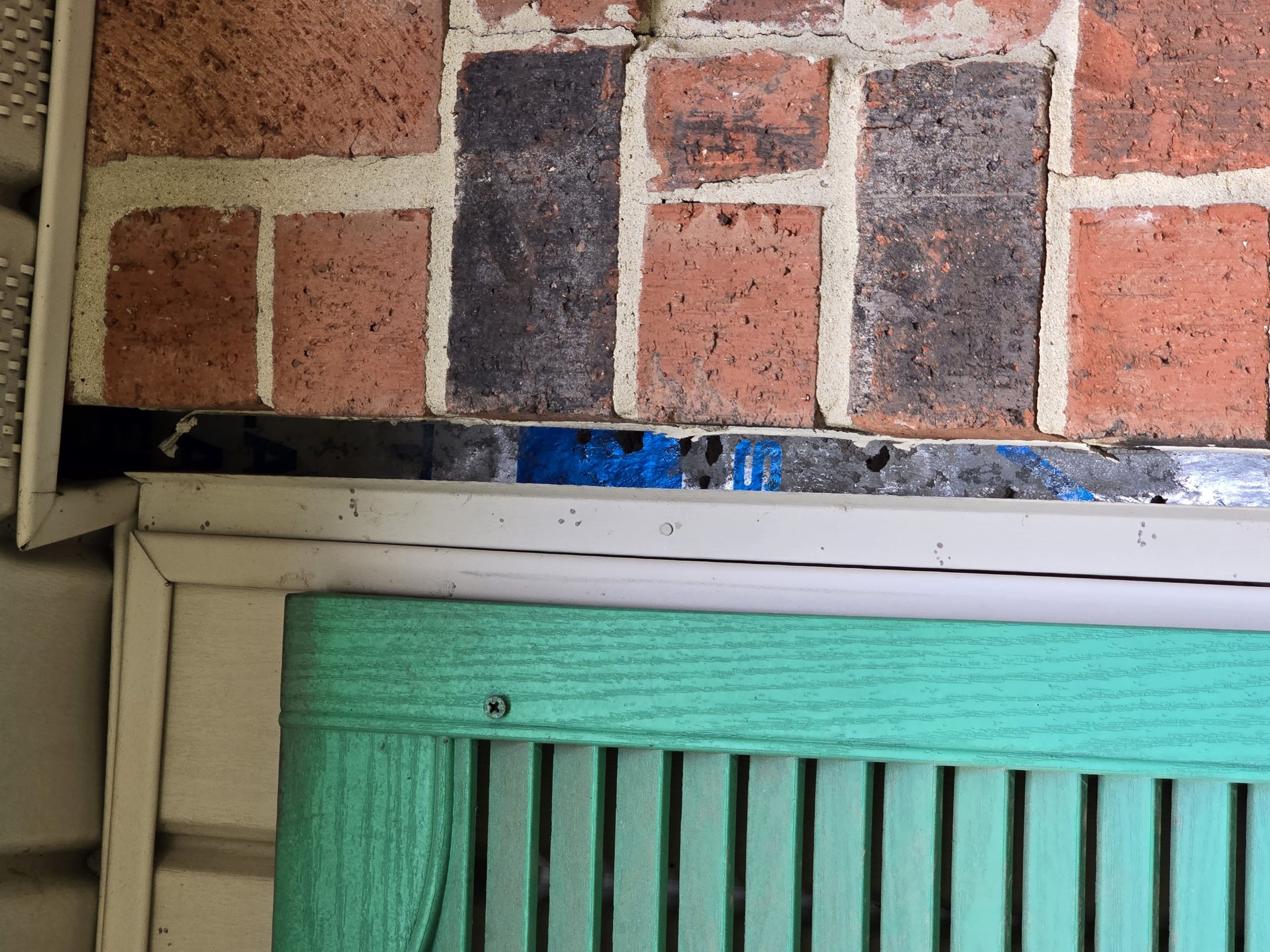
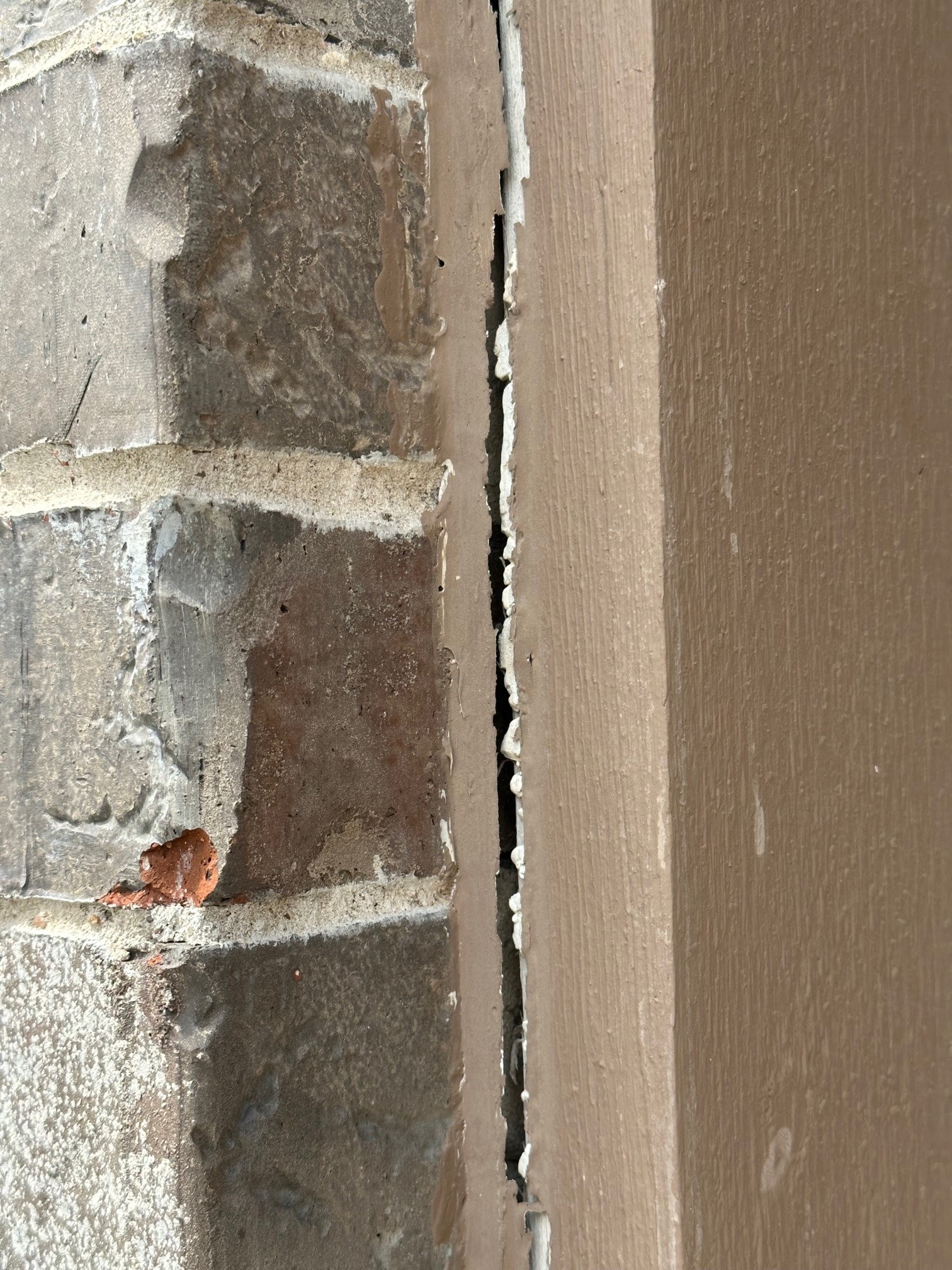
Other signs of foundation problems are:
It depends on the location and cause of your movement as well as the type of foundation you have. Slab Foundations (both residential & commercial) can be repaired by installing Concrete or Steel Piers. Pier and Beam Foundations can be repaired by adding or replacing concrete and/or wood supports along with additional services such as excavation, crawlspace ventilation etc. An evaluation conducted by a foundation repair specialist, home inspector, or engineer can determine the correct course of action to repair a home.
Yes… and no. Yes, you can sell your house if it has foundation problems–however, 1) as long as the buyer pays cash for the house AND 2) agrees to buy it even with the existing foundation problems.
Typically, the only people that can afford to buy a home with unfixed foundation problems and pay cash for it are investors. An investor usually will NOT give you the price you or your client want for a property, and that will hurt YOUR bottom line.
However, more and more mortgage companies will NOT lend on a house that has foundation problems until they have been fixed. They don’t see it as a safe investment for them or for the buyer. Master Builders, Remodelers & Guaranteed Foundation Repairs has a program where you can fund at closing* (or pay when the house is sold.)
*Certain conditions apply.
No, not really. The best time to fix foundation problems is as soon as possible! Putting off or prolonging the period of time in which a repair is completed could cause more or unnecessary damages to your home. Your home is shifting and will continue to do so unless your home is stabilized.
The home needs time to settle after a repair is completed. Wet or dry soil conditions can delay the settling. We typically recommend that you wait 30 days after we complete the foundation repairs on your home before beginning any other repairs such as: sheet rock repair, cracks in walls and brick, windows, doors, room additions, remodeling, paint, or flooring, etc.
Fix the foundation first! Then, remodel the home.
You’ll be doing yourself a disservice by not addressing the issue. The home will begin to experience foundation issues brought on by the excess water. The soil beneath the home will swell or erode causing heaving or settling. The lack of soil can create pockets of air where the soil is pulling away. This can damage current piers, beams, and wooden substructures in place to support the structure. This will almost certainly void warranties if repairs aren’t documented and left unchecked.
You will need to reference your terms and conditions to see what is required of the homeowner. Leak detection is done to verify that the underlying problem as a potential or active leak is in either system. Repairing the leak is your best option.